Infuse Whimsy: Using Watercolor Bumble Bee Clipart in Your Designs
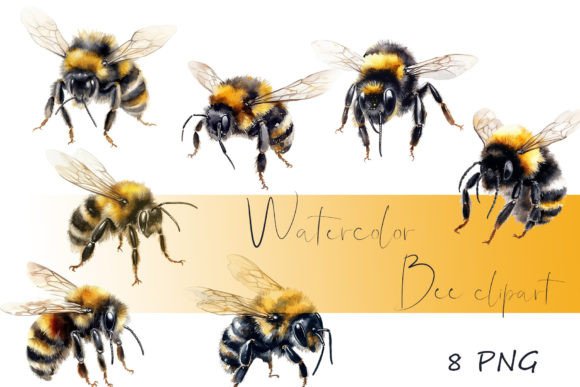
In the world of digital design, finding assets that feel genuinely handcrafted can be a challenge. We often rely on vector graphics that, while scalable, lack the warmth and imperfection of a human touch. That’s why incorporating Watercolor Clipart into your projects is such a powerful move. It bridges the gap between digital precision and artistic authenticity. Specifically, using Bumble Bee Art and Bee clipart allows you to introduce a symbol of nature, hard work, and sweetness into your work. This particular collection of watercolor bumblebees isn’t just a set of images; it’s a versatile toolkit for adding personality to everything from brand collateral to personal crafts.
The Aesthetic Appeal of Hand-Drawn Watercolor Elements
There is an inherent charm to Watercolor Clipart that flat digital graphics simply cannot replicate. The soft edges, the way pigment pools in certain areas, and the slight variations in opacity mimic traditional painting techniques. When you look at a bumble bee rendered in this style, you see more than just an insect; you see texture and movement. The watercolor medium allows for a playfulness that feels approachable and organic. Unlike rigid vector icons, these watercolor insects possess a visual weight and softness that draws the eye without overwhelming the viewer. They feel modern yet timeless, fitting perfectly into current trends that favor natural aesthetics and hand-drawn illustration over sterile, computer-generated imagery.
Practical Applications: Where Bee Clipart Shines
The true value of a high-quality little bee asset lies in its adaptability. Because this set comes as PNG files with transparent backgrounds, they function like digital stickers. You can layer them over textures, photographs, or solid colors without worrying about clashing white boxes. This format is essential for seamless integration into various software, whether you are using Adobe Illustrator, Canva, Procreate, or even basic desktop publishing tools.
Branding and Marketing Materials
For small business owners and entrepreneurs, brand identity is everything. If your business focuses on organic products, wellness, floristry, or even productivity coaching (using the "busy bee" metaphor), these assets are invaluable. Imagine a bakery using a watercolor bumblebee on their packaging tape or a florist incorporating it into their business card design. It instantly communicates a specific vibe—natural, careful, and artisanal. You can use these graphics for social media posts, header images for newsletters, or even as a subtle watermark on invoices. It helps build a cohesive visual language that customers recognize and trust.
Editorial Design and Publishing
Bloggers and content creators often struggle to find stock photos that don't look generic. Using Bumble Bee Art as spot illustrations within an article breaks up text and keeps readers engaged. For publishers, these elements work beautifully as chapter headers or decorative drop caps in children’s books or nature guides. The visual hierarchy of a page improves when you have distinct, artistic elements to guide the reader's eye from one section to the next.
Physical Products and D.I.Y. Projects
The utility extends far beyond the screen. If you are a crafter or a designer creating print-on-demand products, this collection is a goldmine. The instructions mention using these for t-shirts, scrapbooking, bags, and posters. Because the images are high-resolution, they print clearly on physical goods. You could create a seamless pattern for wrapping paper or a standalone graphic for a tote bag. For wedding decor, these bees add a touch of rustic elegance—think place cards, menus, or custom koozies. The hand drawn watercolor cute clipart style ensures that even mass-produced items feel unique and customized.
Design Strategy: Integrating Nature into Visual Hierarchy
When incorporating insects PNG files into a layout, think about visual balance. A watercolor element is soft and irregular. To make it stand out, it often benefits from being paired with clean, structured typography. For example, placing a loose, painterly bumble bee next to a bold, sans-serif headline creates a compelling contrast. This juxtaposition highlights the organic nature of the illustration while maintaining the professionalism of the layout.
Consider the "seamless pattern" capability mentioned in the asset description. Creating a repeating background with these eight distinct bees can add depth to a design without making it look busy. This is particularly useful for web design backgrounds or desktop wallpapers. The key is to use these assets to support your message, not distract from it. They should act as visual punctuation—accentuating the content rather than competing with it.
Choosing and Using Your Assets
When evaluating design assets like these, always look at the file quality. The fact that these are provided as separate PNG files ensures you have control over placement and layering. You aren't locked into a pre-made composition. This flexibility is crucial for professional work where space and context vary wildly.
Here are a few tips for getting the most out of your Watercolor Bumblebee clipart:
- Scale Matters: Don't be afraid to scale the bees up or down. Because watercolor has texture, it holds up reasonably well at different sizes, provided the original resolution is high enough.
- Color Harmony: While the bees come with their own colors, you can adjust the hue/saturation in your editing software to match your specific brand palette if needed.
- Layering Techniques: Try placing the bees behind text with a slight drop shadow, or overlay them on top of geometric shapes for a modern mixed-media look.
Ultimately, choosing Watercolor Clipart is about choosing warmth. It’s about deciding that your project needs a human element. Whether you are designing a wedding invitation or a corporate wellness poster, the Bee and Bee clipart