Kawaii Animals in Pockets: Adorable Clipart for Creative Projects
Why This Clipart Collection Stands Out
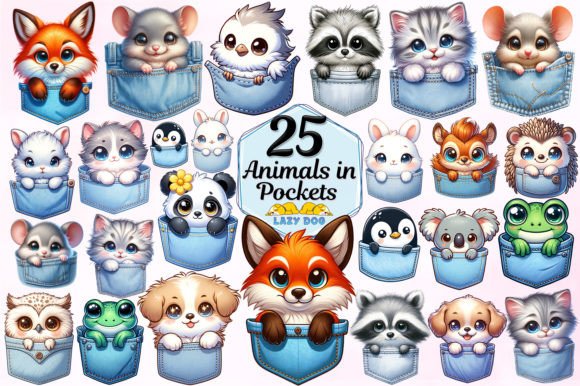
There's something undeniably charming about tiny animals peeking out of pockets. The Kawaii Animals in Pockets Sublimation Clipart collection captures that warmth perfectly—25 individual PNG files at 4500×5400 pixels, each rendered at 300 DPI for crisp, professional output across virtually any medium. These aren't generic cartoon animals slapped onto backgrounds. Each design shows carefully illustrated creatures nestled into pockets with expressive eyes, soft shading, and that distinctive Japanese-inspired cute aesthetic that resonates with audiences worldwide.
The visual style here walks a specific line. The characters feel approachable without being infantile, detailed enough to hold up on larger prints yet simple enough to read at smaller scales. Think rounded forms, pastel-friendly palettes, and subtle personality quirks in each animal's expression. A bunny might look slightly mischievous while a bear radiates pure contentment. That emotional range matters more than most people realize when choosing design assets for branded merchandise or personal projects.
Where These Designs Actually Work Best
Let me be direct about applications because I've seen too many creators purchase beautiful clipart only to struggle with implementation.
Physical product printing is where this collection truly shines. The sublimation-ready format means you can transfer these designs onto mugs, t-shirts, tote bags, and phone cases with predictable color fidelity. At 300 DPI and those generous dimensions, you have real flexibility for scaling down without losing quality. I've watched small business owners build entire product lines around well-chosen clipart bundles—stickers, patches, greeting cards—and the pocket animal concept works across age demographics in ways that purely childish designs cannot.
For brand identity work, particularly businesses targeting younger demographics or lifestyle markets, these illustrations inject personality that stock photography simply cannot match. A bakery, a pet grooming service, a children's clothing line, or even a tech startup aiming for approachable vibes could integrate these animals into their visual hierarchy without feeling unprofessional. The key is restraint—using one or two characters as accent elements rather than overwhelming every touchpoint.
Social media graphics benefit enormously from distinctive visual elements. Content creators and marketers understand that scroll-stopping imagery drives engagement. A kawaii animal peeking from a pocket works as an Instagram story sticker, a Pinterest pin accent, or a YouTube thumbnail element. The emotional response these designs trigger—warmth, amusement, recognition—directly influences whether someone pauses or keeps scrolling.
Editorial design and publishing applications deserve mention too. Bloggers and publishers covering lifestyle, parenting, pet care, or creative topics can use these illustrations as recurring visual motifs. They work beautifully as section dividers, pull-quote decorations, or sidebar elements. The consistency of having the same character family across an issue or blog series builds brand recognition in subtle but effective ways.
Wedding invitations, birthday cards, and printable decorations represent another strong use case. Event planners and DIY crafters regularly seek premium design assets that feel special without requiring custom illustration budgets. These pocket animals hit that sweet spot—distinctive enough to feel curated, versatile enough to adapt across themes.
Practical Considerations Before You Commit
Evaluate your project honestly before purchasing any creative font or clipart collection. Ask yourself three questions: Does this aesthetic align with my audience's expectations? Will I actually use 25 variations, or would a smaller selection serve me better? Do I understand the licensing terms for commercial use?
That last point matters enormously for small business owners and entrepreneurs. Digital downloads typically include specific licensing—personal use, small commercial use, or extended commercial use. Read those terms. If you plan to sell products featuring these animals at scale, confirm the license covers your intended volume and distribution channels.
Font pairing with kawaii-style illustrations requires thoughtful consideration. These designs carry a specific personality, so your typography choices should complement rather than compete. A clean sans serif font for body text provides necessary breathing room, while a playful handwritten font or script font can echo the illustrations' warmth in headlines. Avoid pairing with overly formal serif fonts or aggressive display fonts unless you're deliberately creating tension for artistic effect.
Test your designs at actual production size before committing to a print run. What looks charming on screen might feel cramped on a business card or lost on a poster. The 4500×5400 pixel dimensions give you generous room to work, but readability and visual hierarchy still require hands-on evaluation.
Color management deserves attention with sublimation printing specifically. These PNGs will transfer differently depending on your substrate—white polyester fabric behaves differently from ceramic-coated mugs. Run test prints. Adjust your color profiles. The investment in a few test pieces saves significant money and frustration down the line.
For scrapbooking and digital planning communities, these files integrate seamlessly into most design software. The transparent PNG format eliminates tedious background removal, letting you layer characters directly into compositions. Whether you work in Photoshop, Canva, Procreate, or Silhouette Studio, the workflow remains straightforward.
Building Something Worthwhile
The real value of a collection like Kawaii Animals in Pockets Sublimation Clipart lies not in the individual files but in what you build around them. A cohesive product line, a recognizable social media presence, an event theme that guests remember—these outcomes depend on consistent, thoughtful application of your design assets.
Start with one strong use case. Master the production process. Gather audience feedback. Then expand. The creators who succeed with commercial design resources treat them as foundations for strategic creative work, not quick fixes for visual gaps. These 25 pocket animals represent genuine creative potential for anyone willing to apply them with intention and craft.